
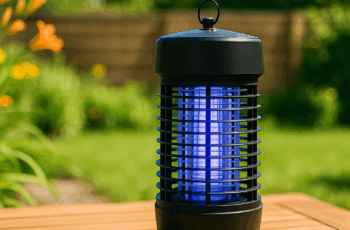
The Complete Guide to Bug Zappers
Welcome to your comprehensive resource on bug zappers, the popular electronic devices that help control flying insect populations around homes and outdoor spaces. Whether you’re looking to enjoy pest-free summer evenings on your patio, protect your kitchen from flying insects, or find solutions for commercial spaces, this guide covers everything you need to know. From the science behind how zappers work to practical buying advice, maintenance tips, and environmental considerations, you’ll discover how to effectively incorporate these devices into your overall pest management strategy. Use the navigation links below to jump directly to the information you need most.
In This Guide
- What Are Bug Zappers?
- History of Bug Zappers
- How Bug Zappers Work
- Types of Bug Zappers
- Comparing Zapper Technologies
- Cost Considerations
- What to Consider When Buying
- Popular Brands and Models
- Effectiveness Research
- Installation and Placement
- Maintenance
- Common Troubleshooting
- Safety Considerations
- Environmental Impact
- Seasonal Usage Guide
- Special Use Environments
- DIY Enhancement Projects
- Alternatives and Complementary Solutions
What Are Bug Zappers?
Bug zappers are electronic insect-killing systems that use ultraviolet (UV) light to attract flying insects toward an electrified grid. When insects make contact with this grid, they complete an electrical circuit, resulting in electrocution. These devices are designed to reduce insect populations in outdoor and indoor spaces without the use of chemical pesticides.
History of Bug Zappers
Bug zappers have an interesting history dating back nearly a century:
- The first electric insect killer was patented in 1934 by William F. Folmer and Harrison L. Chapin
- Early models were primarily designed for agricultural and commercial use
- In the 1950s and 1960s, bug zappers became more accessible to homeowners
- The energy crisis of the 1970s prompted innovations in energy-efficient designs
- Modern zappers incorporate advanced features like octenol attractants and solar power
How Bug Zappers Work
Bug zappers operate on a simple principle:
- A UV light bulb produces light in the 320-380 nanometer wavelength range
- This light attracts flying insects that are naturally drawn to UV light
- Insects fly toward the light and encounter an electrified metal grid
- When they contact the grid, electricity flows through their bodies, killing them instantly
- Dead insects fall into a collection tray at the bottom of the device
Types of Bug Zappers
Outdoor Models
Outdoor bug zappers are typically larger and more powerful, designed to cover areas like patios, decks, and yards. They usually feature:
- Weather-resistant housing
- Higher wattage UV bulbs (20-40 watts)
- Coverage areas up to 1.5 acres
- Hanging or standing mounting options
Indoor Models
Indoor bug zappers are smaller, quieter, and less powerful, intended for use in kitchens, restaurants, or other enclosed spaces. Features include:
- Compact design
- Lower wattage (5-15 watts)
- Coverage for smaller areas (500-1000 sq ft)
- Often include glue boards to prevent insect remains from falling
Portable Options
These include:
- Battery-operated handheld zappers
- Rechargeable models for camping
- USB-powered devices for travel
- Combination zapper/lantern units
Comparing Zapper Technologies
Modern market options include several distinct approaches:
- Traditional electric grid: The standard design using electrified wires
- Vacuum systems: Uses fans to draw insects into a trap after attracting them
- Adhesive models: Combines UV attraction with sticky capture surfaces
- Electrocution/adhesive hybrids: Offers dual-action capturing methods
- Photocatalytic: Newer technology using titanium dioxide activated by UV light
Cost Considerations
Bug zappers vary widely in price depending on their features and capabilities:
- Budget options ($20-$50): Basic models with limited coverage suitable for small areas
- Mid-range ($50-$100): Enhanced durability, better bulbs, and expanded coverage
- Premium ($100-$300+): Commercial-grade construction, advanced features like timers and attractants
- Operating costs: Electricity usage (typically 20-40 watts), replacement bulbs ($5-$20 annually), and occasional maintenance
- Long-term value: Higher-quality models typically offer better energy efficiency and longer service life
What to Consider When Buying
When selecting a bug zapper, consider:
- Coverage area: Match the zapper’s capacity to your space
- Power source: Electric, battery, or solar options
- Bulb type and lifespan: Most bulbs last 2,000-3,000 hours
- Construction quality: Look for weather-resistant materials for outdoor use
- Collection method: Removable trays or glue boards
- Noise level: Some models produce louder zapping sounds than others
- Additional features: Attractants, timers, or sensors
Popular Brands and Models
Well-regarded manufacturers in the bug zapper market include:
- Flowtron: Known for their BK-15D and BK-40D outdoor models
- Dynatrap: Offers combination trap/zapper technology
- Black Flag: Budget-friendly options with good reliability
- Aspectek: Popular indoor models with glue board technology
- Katchy: Stylish indoor zappers with multi-layer protection
Effectiveness Research
Scientific studies on bug zappers have revealed important findings:
- Research from the University of Delaware found that less than 1% of insects killed by residential zappers were biting pests like mosquitoes
- Studies show zappers are most effective against moths, beetles, and flying ants
- Adding octenol or other chemical attractants can increase mosquito capture rates by 10-15%
- Zappers work best when used as part of an integrated pest management strategy
- Effectiveness varies significantly based on insect species, geographic location, and weather conditions
Installation and Placement
For optimal effectiveness:
- Place zappers 15-20 feet away from human activity areas
- Mount 5-7 feet above ground level
- Position away from competing light sources
- For outdoor use, locate zappers between insect breeding areas and human spaces
- Avoid placement near food preparation areas
- Consider prevailing winds when positioning outdoor units
Maintenance
To keep your bug zapper working efficiently:
- Empty the collection tray regularly (weekly during heavy use)
- Clean the electrified grid with a soft brush when unplugged
- Replace UV bulbs every 1-2 seasons
- Check for damage to protective cages or screens
- Store indoor/portable units in dry locations during off-seasons
Common Troubleshooting
Solutions for frequently encountered issues:
- Zapper won’t turn on: Check power source, fuse, and bulb connections
- Reduced effectiveness: Clean grid of insect debris and replace aging UV bulbs
- Intermittent operation: Inspect for moisture damage or loose wiring
- Excessive sparking: Clean accumulated debris from the electrical grid
- Bulb lighting but not attracting insects: Replace bulb as UV output diminishes before visible light fails
Safety Considerations
When using bug zappers:
- Always follow manufacturer safety guidelines
- Keep out of reach of children and pets
- Ensure outdoor models are properly grounded
- Use GFCI outlets for outdoor locations
- Never insert objects into the grid
- Unplug before cleaning or performing maintenance
Environmental Impact
While bug zappers can help control insects, be aware that:
- They kill beneficial insects as well as pests
- Most mosquito species aren’t strongly attracted to UV light
- Complementing zappers with other control methods is recommended
- Consider using timers to reduce unnecessary operation
Seasonal Usage Guide
Spring Preparation
To ready your zapper for the insect season:
- Inspect and clean all components after winter storage
- Replace UV bulbs at the beginning of each season
- Position units before insect populations peak
- Consider early evening operation when spring insects are most active
Summer Optimization
During peak insect season:
- Empty collection trays more frequently (every 3-5 days)
- Operate continuously during evening hours
- Reposition units monthly to prevent insects from adapting
- Add attractants during high humidity periods
Fall Transition
As temperatures cool:
- Focus on dusk operation when insects are seeking warmth
- Clean units thoroughly as usage decreases
- Begin moving portable units indoors as evening temperatures drop
- Monitor for seasonal changes in insect types
Winter Storage
For proper off-season care:
- Clean all components thoroughly before storage
- Store in a dry, temperature-controlled environment
- Remove batteries from portable units
- Consider using indoor units for occasional winter insects
Special Use Environments
Commercial Applications
Bug zappers designed for business use have specific characteristics:
- Restaurants and food processing facilities use high-capacity units with discreet designs
- Agricultural settings employ industrial-strength zappers for livestock protection
- Retail establishments often use combination LED lighting/zapper units
- Healthcare facilities require models with silent operation and enhanced sanitation features
Camping and Outdoor Recreation
Portable options for outdoor enthusiasts include:
- Lantern-style zappers that provide both light and insect control
- Backpack-friendly units weighing under 2 pounds
- Solar-rechargeable models for extended trips
- Tabletop zappers for campsite dining areas
DIY Enhancement Projects
For those interested in maximizing their bug zapper’s effectiveness:
- Reflector panels: Adding aluminum reflectors behind units can increase UV visibility
- Rain shields: DIY covers can extend outdoor usage during light precipitation
- Attractant mixtures: Homemade solutions using fruit juice or sugar water
- Mounting systems: Custom poles or hanging mechanisms for optimal placement
- Collection upgrades: Modified trays for easier cleaning and disposal
Alternatives and Complementary Solutions
For comprehensive insect management, consider combining bug zappers with:
- Mosquito traps that use CO2 attractants
- Citronella candles or torches
- Screens on windows and doors
- Ceiling and outdoor fans
- Habitat modification to reduce breeding sites
By understanding the capabilities and limitations of bug zappers, you can make informed decisions about insect control for your home or outdoor spaces.