
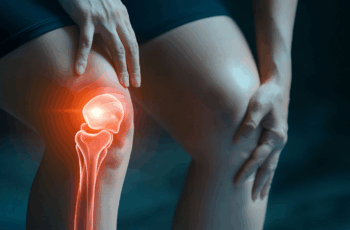
The Complete Guide to Joint Pain: Causes, Treatments, and Management Strategies
In This Guide
- Understanding Joint Pain
- Common Causes of Joint Pain
- Types of Joint Pain
- Diagnosis and Medical Evaluation
- Conservative Treatment Options
- Medical and Prescription Treatments
- Alternative and Complementary Therapies
- Surgical Treatment Options
- Lifestyle Management and Prevention
- Frequently Asked Questions
Understanding Joint Pain
Joint pain, medically known as arthralgia, affects millions of people worldwide and can significantly impact quality of life. Joints are the connections between bones that allow movement and provide support to your body. When these complex structures become damaged, inflamed, or deteriorated, they can cause pain ranging from mild discomfort to debilitating agony.
The human body contains over 300 joints, including major weight-bearing joints like knees, hips, and ankles, as well as smaller joints in the hands, feet, and spine. Each joint consists of several components: bones, cartilage, synovial fluid, ligaments, tendons, and surrounding muscles. When any of these components are affected by injury, disease, or wear and tear, joint pain can result.
Joint pain can be acute (sudden onset and short-term) or chronic (lasting more than three months). It may affect one joint (monoarticular) or multiple joints (polyarticular), and the pain can be constant or intermittent. Understanding the nature of your joint pain is crucial for determining the most appropriate treatment approach.
The impact of joint pain extends beyond physical discomfort. It can affect sleep quality, mental health, work productivity, and social relationships. Many people with chronic joint pain experience depression, anxiety, and reduced participation in activities they once enjoyed. This comprehensive guide will explore all aspects of joint pain and the various treatment options available to help you regain control of your life.
Common Causes of Joint Pain
Arthritis
Arthritis is the leading cause of joint pain, affecting over 54 million adults in the United States. There are more than 100 different types of arthritis, but the most common forms include osteoarthritis, rheumatoid arthritis, and psoriatic arthritis.
Osteoarthritis is the most prevalent form, often called “wear and tear” arthritis. It occurs when the protective cartilage that cushions the ends of bones gradually breaks down over time. This condition typically affects weight-bearing joints like knees, hips, and spine, as well as frequently used joints like hands and fingers. Risk factors include age, obesity, previous joint injuries, genetics, and repetitive stress on joints.
Rheumatoid Arthritis is an autoimmune condition where the body’s immune system mistakenly attacks healthy joint tissue, causing inflammation, pain, and eventual joint destruction. Unlike osteoarthritis, rheumatoid arthritis often affects joints symmetrically and can also impact organs throughout the body. Early diagnosis and treatment are crucial to prevent permanent joint damage.
Injuries and Trauma
Joint injuries can occur from sports activities, accidents, falls, or repetitive motions. Common injuries include sprains (ligament damage), strains (muscle or tendon damage), fractures, and dislocations. Even after healing, previous injuries can predispose joints to arthritis and chronic pain later in life.
Inflammatory Conditions
Various inflammatory conditions can cause joint pain, including gout, lupus, fibromyalgia, and bursitis. Gout results from uric acid crystal deposits in joints, typically affecting the big toe first. Lupus is an autoimmune disease that can affect multiple body systems, including joints. Bursitis involves inflammation of the fluid-filled sacs that cushion joints.
Infections
Bacterial, viral, or fungal infections can sometimes affect joints, causing septic arthritis or reactive arthritis. These conditions require immediate medical attention to prevent permanent joint damage.
Types of Joint Pain
By Location
Knee Pain: The most commonly affected joint, knee pain can result from arthritis, ligament injuries, meniscus tears, or patellofemoral pain syndrome. The knee’s complex structure makes it vulnerable to various types of damage.
Hip Pain: Often caused by arthritis, hip fractures, bursitis, or hip impingement. Hip pain can significantly affect mobility and may radiate to the groin, thigh, or buttocks.
Shoulder Pain: Common causes include rotator cuff injuries, frozen shoulder, arthritis, and impingement syndrome. The shoulder’s wide range of motion makes it susceptible to overuse injuries.
Hand and Wrist Pain: Frequently caused by arthritis, carpal tunnel syndrome, tendinitis, or repetitive stress injuries. These conditions can significantly impact daily activities and work performance.
Back and Spinal Joint Pain: Can involve facet joints, sacroiliac joints, or intervertebral disc problems. Spinal joint pain often causes referred pain to other areas of the body.
By Duration and Pattern
Acute Pain: Sudden onset, typically lasting less than six weeks. Often results from injury or infection and may resolve with appropriate treatment.
Chronic Pain: Persistent pain lasting more than three to six months. May result from ongoing conditions like arthritis or may persist after an injury has healed.
Morning Stiffness: Joint stiffness and pain upon waking, common in inflammatory arthritis conditions. Usually improves with movement and activity.
Activity-Related Pain: Pain that worsens with use and improves with rest, typical of osteoarthritis and mechanical joint problems.
Diagnosis and Medical Evaluation
Proper diagnosis is essential for effective joint pain treatment. Healthcare providers use various methods to determine the underlying cause of joint pain and develop appropriate treatment plans.
Medical History and Physical Examination
Your doctor will conduct a thorough medical history, asking about pain characteristics, onset, duration, triggers, and associated symptoms. The physical examination includes assessing joint range of motion, stability, swelling, warmth, and areas of tenderness. Your doctor may also evaluate your gait, posture, and functional abilities.
Laboratory Tests
Blood tests can help identify inflammatory conditions, autoimmune diseases, and infections. Common tests include:
- Complete Blood Count (CBC) to detect signs of infection or inflammation
- Erythrocyte Sedimentation Rate (ESR) and C-Reactive Protein (CRP) to measure inflammation levels
- Rheumatoid Factor (RF) and Anti-CCP antibodies for rheumatoid arthritis
- Antinuclear Antibodies (ANA) for autoimmune conditions
- Uric acid levels for gout diagnosis
Imaging Studies
X-rays are often the first imaging test performed, showing bone structure, joint space narrowing, and signs of arthritis or fractures.
MRI (Magnetic Resonance Imaging) provides detailed images of soft tissues, including cartilage, ligaments, tendons, and muscles. It’s particularly useful for diagnosing sports injuries and early arthritis changes.
CT Scans offer detailed bone images and can detect subtle fractures or bone abnormalities not visible on X-rays.
Ultrasound can visualize soft tissues, detect fluid accumulation, and guide injection procedures.
Joint Aspiration
In some cases, doctors may extract fluid from swollen joints to analyze for infection, crystals, or inflammatory cells. This procedure can also provide pain relief by removing excess fluid.
Conservative Treatment Options
Most joint pain conditions initially respond well to conservative, non-invasive treatments. These approaches form the foundation of joint pain management and are often used in combination for optimal results.
Rest and Activity Modification
Allowing injured or inflamed joints to rest is often the first step in treatment. However, complete immobilization can lead to stiffness and weakness, so modified activity rather than complete rest is usually recommended. This might involve avoiding high-impact activities while maintaining gentle movement and flexibility exercises.
Ice and Heat Therapy
Ice therapy is most effective for acute injuries and inflammatory conditions. Apply ice for 15-20 minutes several times daily to reduce swelling and numb pain. Never apply ice directly to skin – use a thin towel or cloth barrier.
Heat therapy works well for chronic conditions and muscle stiffness. Heat increases blood flow and can help relax tight muscles around joints. Use heat for 15-20 minutes at a time, and avoid heat on acutely injured or swollen joints.
Physical Therapy and Exercise
Physical therapy is one of the most effective treatments for joint pain. A qualified physical therapist can design a personalized exercise program to improve strength, flexibility, balance, and function while reducing pain.
Strengthening exercises build muscle support around joints, reducing stress on joint structures. Focus on both the muscles directly surrounding the affected joint and core stability muscles.
Range of motion exercises maintain and improve joint flexibility, preventing stiffness and maintaining function.
Low-impact aerobic exercise like swimming, cycling, or walking can improve overall fitness without placing excessive stress on joints.
Weight Management
For weight-bearing joints like knees and hips, maintaining a healthy weight significantly reduces joint stress. Every pound of body weight translates to approximately 4 pounds of pressure on the knees during walking. Even modest weight loss can provide substantial pain relief and slow arthritis progression.
Supportive Devices
Various devices can help reduce joint stress and improve function:
- Braces and supports provide stability and pain relief
- Orthotic inserts can improve foot alignment and reduce lower extremity joint stress
- Assistive devices like canes, walkers, or ergonomic tools can reduce joint strain during daily activities
- Compression garments may help reduce swelling and provide support
Medical and Prescription Treatments
Over-the-Counter Medications
Nonsteroidal Anti-Inflammatory Drugs (NSAIDs) like ibuprofen, naproxen, and aspirin reduce both pain and inflammation. They’re particularly effective for inflammatory conditions but should be used cautiously due to potential side effects including stomach irritation, kidney problems, and cardiovascular risks.
Acetaminophen provides pain relief without anti-inflammatory effects. It’s generally safer than NSAIDs but can cause liver damage if taken in excessive doses or combined with alcohol.
Topical pain relievers including creams, gels, and patches can provide localized relief with fewer systemic side effects than oral medications.
Prescription Medications
Disease-Modifying Antirheumatic Drugs (DMARDs) are used primarily for autoimmune arthritis conditions like rheumatoid arthritis. These medications slow disease progression and prevent joint damage but require careful monitoring for side effects.
Biologic medications are a newer class of DMARDs that target specific immune system components. They’re highly effective for various inflammatory arthritis conditions but increase infection risk and require regular monitoring.
Corticosteroids are powerful anti-inflammatory medications that can be taken orally or injected directly into joints. While effective for reducing inflammation and pain, long-term use can cause significant side effects.
Injection Therapies
Corticosteroid injections deliver anti-inflammatory medication directly to affected joints, providing targeted relief with fewer systemic side effects than oral steroids. Effects typically last 3-6 months.
Hyaluronic acid injections (viscosupplementation) involve injecting a gel-like substance into joints to improve lubrication and cushioning. This treatment is primarily used for knee osteoarthritis.
Platelet-Rich Plasma (PRP) injections use concentrated platelets from your own blood to promote healing. While research is ongoing, some patients experience significant improvement.
Alternative and Complementary Therapies
Acupuncture
This traditional Chinese medicine practice involves inserting thin needles into specific points on the body. Research suggests acupuncture can be effective for various types of joint pain, particularly knee osteoarthritis and chronic low back pain. The treatment is generally safe when performed by qualified practitioners.
Massage Therapy
Therapeutic massage can help reduce muscle tension, improve circulation, and promote relaxation. Various techniques including Swedish massage, deep tissue massage, and trigger point therapy may benefit people with joint pain. Massage should be performed by licensed therapists familiar with your condition.
Chiropractic Care
Chiropractors use spinal manipulation and other manual techniques to improve joint function and reduce pain. This approach can be particularly helpful for back and neck pain, though evidence for effectiveness varies by condition.
Dietary Supplements
Glucosamine and Chondroitin are popular supplements for joint health, though research results are mixed. Some people report benefits, particularly for knee osteoarthritis.
Omega-3 fatty acids have anti-inflammatory properties and may help reduce joint pain and stiffness, particularly in rheumatoid arthritis.
Turmeric and Curcumin contain compounds with anti-inflammatory effects. Some studies suggest these supplements may help reduce arthritis pain.
Mind-Body Therapies
Yoga and Tai Chi combine gentle movement, stretching, and mindfulness. These practices can improve flexibility, strength, balance, and pain management while promoting relaxation.
Meditation and mindfulness techniques can help manage chronic pain by changing how the brain processes pain signals and reducing stress-related pain amplification.
Surgical Treatment Options
When conservative treatments fail to provide adequate relief, surgical intervention may be necessary. The choice of procedure depends on the joint affected, severity of damage, patient age, activity level, and overall health.
Arthroscopic Surgery
Minimally invasive procedures using small incisions and a camera (arthroscope) to visualize and treat joint problems. Common arthroscopic procedures include:
- Meniscus repair or removal in the knee
- Rotator cuff repair in the shoulder
- Cartilage repair or removal
- Joint cleaning and debris removal
Arthroscopic surgery typically involves shorter recovery times and less post-operative pain compared to open procedures.
Joint Replacement Surgery
Total Joint Replacement involves removing damaged joint surfaces and replacing them with artificial components made of metal, plastic, or ceramic materials. Hip and knee replacements are most common, with success rates exceeding 95%.
Partial Joint Replacement replaces only the damaged portion of a joint, preserving healthy tissue. This option may be suitable for patients with localized damage.
Modern joint replacements can last 15-25 years or longer, and surgical techniques continue to improve, with some procedures now performed as outpatient surgery.
Joint Fusion Surgery
This procedure permanently joins two or more bones to eliminate motion in a painful joint. While it eliminates pain, it also eliminates joint movement. Fusion is typically considered for smaller joints like those in the spine, wrist, or foot when joint replacement isn’t feasible.
Osteotomy
This procedure involves cutting and reshaping bone to improve joint alignment and reduce stress on damaged areas. It’s sometimes used to delay the need for joint replacement in younger patients.
Lifestyle Management and Prevention
Diet and Nutrition
A healthy diet plays a crucial role in managing joint pain and preventing its progression. Anti-inflammatory foods can help reduce joint inflammation, while maintaining proper nutrition supports overall joint health.
Anti-inflammatory foods include fatty fish rich in omega-3 fatty acids, leafy green vegetables, berries, nuts, and olive oil. The Mediterranean diet pattern has shown particular benefits for reducing inflammation.
Foods to limit include processed foods, excessive sugar, refined carbohydrates, and foods high in saturated fats, as these can promote inflammation.
Sleep and Stress Management
Quality sleep is essential for pain management and tissue healing. Poor sleep can increase pain sensitivity and inflammation. Establish good sleep hygiene practices and address any sleep disorders.
Chronic stress can worsen joint pain and interfere with healing. Stress management techniques like deep breathing, progressive muscle relaxation, and counseling can be valuable components of pain management.
Environmental Modifications
Making changes to your home and work environment can reduce joint stress and prevent injury:
- Use ergonomic tools and furniture
- Install grab bars and non-slip surfaces in bathrooms
- Organize frequently used items at accessible heights
- Use proper lifting techniques
- Take regular breaks from repetitive activities
Regular Exercise Program
Maintaining an appropriate exercise routine is crucial for joint health. Exercise helps maintain joint flexibility, strengthens supporting muscles, improves bone health, and promotes overall well-being. Work with healthcare providers to develop a safe, effective exercise program tailored to your specific needs and limitations.
Frequently Asked Questions
When should I see a doctor for joint pain?
You should consult a healthcare provider if joint pain persists for more than a few days, is severe, interferes with daily activities, is accompanied by swelling or redness, or if you experience fever along with joint pain. Additionally, seek immediate medical attention if you cannot move the joint or if the joint appears deformed.
Can weather really affect joint pain?
Many people with arthritis and joint pain report increased symptoms with weather changes, particularly before storms or in cold, damp conditions. While the exact mechanism isn’t fully understood, changes in barometric pressure may affect joint pressure and inflammation. Some research supports this connection, though individual responses vary significantly.
Is it safe to exercise with joint pain?
In most cases, appropriate exercise is beneficial for joint pain and is rarely harmful. However, the type, intensity, and duration of exercise should be tailored to your specific condition. Low-impact activities like swimming, cycling, and walking are generally safe. Avoid high-impact activities during flare-ups of inflammatory conditions, and always consult with healthcare providers before starting new exercise programs.
Are there any natural remedies that really work for joint pain?
Some natural approaches have scientific support for joint pain relief. These include omega-3 fatty acids, turmeric/curcumin, glucosamine and chondroitin (with mixed evidence), acupuncture, yoga, and tai chi. However, “natural” doesn’t always mean safe – some supplements can interact with medications or have side effects. Always discuss natural remedies with your healthcare provider.
How do I know if I need joint replacement surgery?
Joint replacement is typically considered when conservative treatments have failed to provide adequate pain relief and function, and when joint damage significantly impacts quality of life. Signs may include severe pain that interferes with sleep and daily activities, significant loss of joint function, and X-ray evidence of severe joint damage. The decision should be made collaboratively with your orthopedic surgeon, considering your age, activity level, overall health, and personal goals.
Can joint pain be prevented?
While not all joint pain can be prevented, many risk factors are modifiable. Maintaining a healthy weight, staying physically active, using proper body mechanics, avoiding repetitive stress injuries, and protecting joints during sports and activities can significantly reduce joint pain risk. Early treatment of injuries and managing underlying health conditions also help prevent chronic joint problems.
What’s the difference between arthritis and joint pain?
Joint pain (arthralgia) is a symptom that can have many causes, while arthritis specifically refers to inflammation of one or more joints. Arthritis is one common cause of joint pain, but joint pain can also result from injuries, infections, or other conditions without involving arthritis. Not all joint pain indicates arthritis, and proper diagnosis is important for appropriate treatment.
How long does it take for joint pain treatments to work?
Treatment response times vary significantly depending on the cause of joint pain and the treatment used. Anti-inflammatory medications may provide relief within hours to days, while physical therapy benefits typically develop over weeks to months. Injection therapies may provide relief within days to weeks. Lifestyle modifications like weight loss and exercise often require months to show significant benefits. Be patient and consistent with treatment approaches, and communicate regularly with your healthcare team about your progress.
Living Well with Joint Pain
Joint pain doesn’t have to control your life. With proper understanding, appropriate treatment, and proactive management, most people with joint pain can maintain active, fulfilling lives. The key is working closely with healthcare providers to develop a comprehensive treatment plan that addresses your specific needs and goals.
Remember that joint pain management is often a multifaceted approach combining medical treatments, lifestyle modifications, and self-care strategies. What works best varies from person to person, so be prepared to try different approaches and combinations of treatments.
Stay informed about your condition, be an active participant in your care, and don’t hesitate to seek help when needed. Advances in joint pain treatments continue to improve outcomes for millions of people worldwide. With the right approach, you can successfully manage joint pain and maintain the activities and lifestyle you value most.